
Fear of Taking Medication for
Anxiety or OCD:
Why It Happens and How to Move Forward
By Natalie Noel, LMHC
Anxiety & OCD Treatment Specialists Tampa, Florida
Many people assume that anxiety always shows up as panic, fear, or avoidance but anxiety can also sabotage a person’s ability to get better, including their willingness to take the very medication that could dramatically improve their symptoms.
As a clinician specializing in OCD and anxiety disorders, I often work with clients who are no longer functioning at their baseline. While I know they can make strong progress with Exposure and Response Prevention (ERP) therapy alone, some clients also need medication to help the brain settle enough for treatment to take full effect. OCD and anxiety disorders are medical conditions, not personality flaws, and sometimes medication is an essential part of recovery.

What’s interesting is that many of these same clients, who are terrified to take an SSRI, take other medications without a second thought. They may take birth control, cholesterol medication, supplements that aren’t FDA-regulated, Viagra, or over-the-counter remedies without researching side effects or ruminating for days. But when it comes to SSRIs? Their anxiety goes into overdrive.
Why?
Because OCD and anxiety disorders do not want people to get better. As symptoms worsen, insight decreases, and the disorder becomes more convincing. The fear isn’t about the medication it’s about the anxiety disorder defending its territory.
Is Psychiatric Medication Overprescribed?
But this is not the reality for people with OCD or clinical anxiety disorders. When a person needs medication, it is not because they are weak, unmotivated, or incapable of “thinking their way through it.” You cannot outthink a neurobiological condition.
If you had a heart condition requiring medication, you would not judge yourself harshly for taking it. Mental health is no different. Anxiety and OCD involve brain chemistry, and sometimes medication provides the stabilization needed to fully engage in ERP and restore quality of life.
Who Tends to Fear Psychiatric Medication the Most?
While this is not true in every case, clinical experience shows specific patterns in who tends to be most fearful about taking medication for anxiety or OCD:
1. Clients From Certain Cultural Backgrounds
Individuals from Russian, Eastern European, Arabic, or Persian backgrounds often express higher distrust of psychiatric medication. Many try extensive holistic remedies before considering an SSRI. This isn’t due to lack of intelligence, it’s cultural conditioning and generational beliefs about mental health.
2. High-Functioning Men With Perfectionism
This group often sees taking medication as a “weakness” or a threat to their identity. Even if their job performance is collapsing, their relationships are strained, and they’re barely holding things together, they may still insist that “it’s not bad enough” to need medication. Their perfectionism raises the bar for what they consider “serious symptoms.”
3. Certain Medical Professionals
These patterns don’t apply universally, but they help explain why some individuals experience intense fear about starting medication, even when their life is significantly impaired.
How to Decide Whether to Take Medication for OCD or Anxiety
People with OCD and anxiety deserve clear information, not pressure or fear-based persuasion. I take a very direct and individualized approach with clients:
- Sometimes I recommend trying behavioral therapy first, especially if symptoms are moderate and insight is strong.
- Other times, when the anxiety disorder is severe or functioning is significantly impaired, I strongly recommend a psychiatric consultation as soon as possible.
There is no one-size-fits-all answer. The right treatment plan depends on symptom severity, level of distress, degree of insight, and overall functioning.
But one thing is always true:
You do not have to white-knuckle your way through life.
Life is short. You deserve to enjoy your relationships, career, and daily experiences without constant suffering. If medication helps restore your ability to live fully, it is worth considering with compassion, curiosity, and professional guidance.
Final Thoughts
If you’re unsure about medication, do your research, talk to qualified professionals, and make decisions based on facts rather than fear.
Your life and your joy matter far too much to let anxiety make this decision for you.
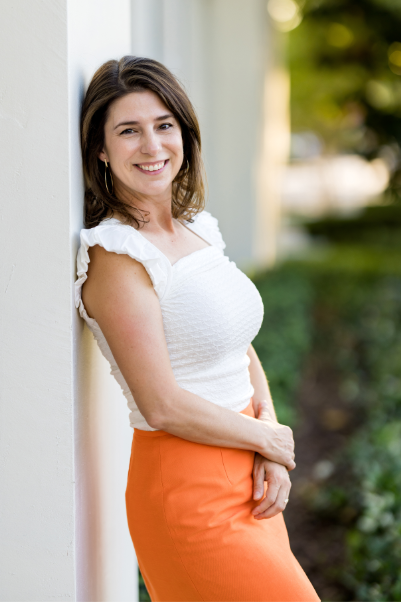
This blog was written by
Natalie Noel, LMHC
Anxiety & OCD Treatment Specialists is located in Tampa, Florida. However, we have providers who are licensed in both Florida and New York. We provide both in-person and virtual sessions.
Access the Patient Portal for session management and billing.
Request information about our services or schedule your initial consultation.